There are museums filled with gold and marble, with the weight of history pressing down from pedestals and portraits. But there are others too that are a little quieter, and a little more invisible. They live in our kitchens, our desks, our bedside tables. They don’t hold treasures, but the small witnesses of our days. If one could gather them, polish them, and place them behind glass with perfect lighting, what would we see?
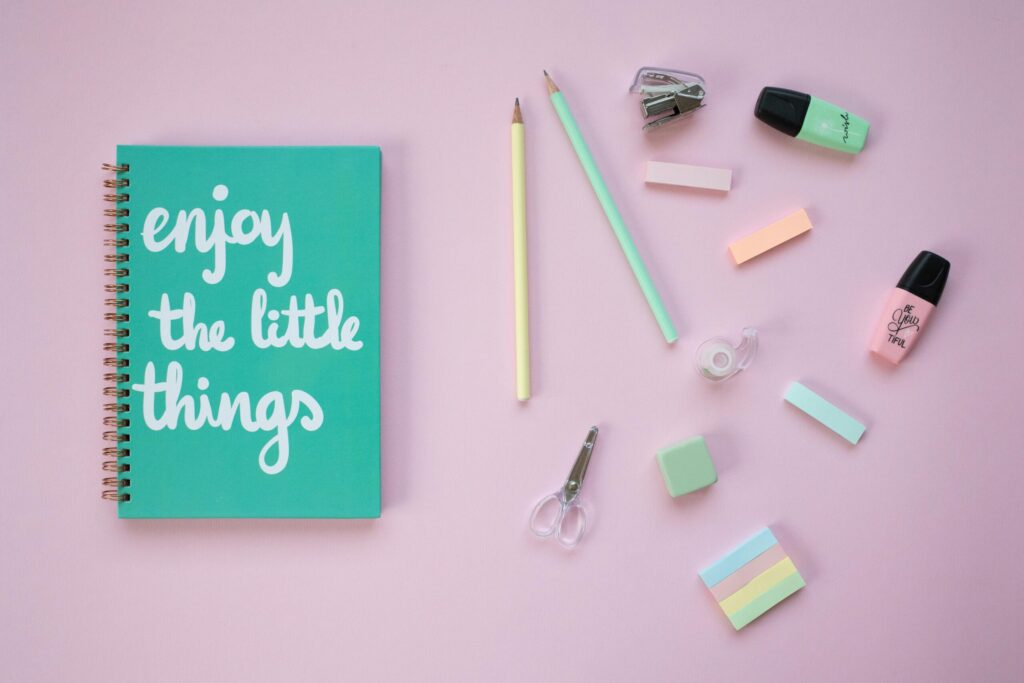
The first hall belongs to pens. Not the stately fountain pens preserved in velvet, but the kind you borrow and forget to return. The ones with cracked caps, faded logos, and teeth marks on their ends. They stand upright in clear cases, awaiting their next signature.
The placard reads:
“Plastic, ink. Used in rituals of thought, bureaucracy, and confessions.”
It is strange to think of how much of ourselves these pens have carried in the hurried notes on the back of receipts or doodles sketched absentmindedly in the margins of notebooks. Their value is not in their rarity but in their ubiquity. Millions exist, yet each is tied to a singular hand and a singular moment. In this hall, the overlooked becomes monumental.
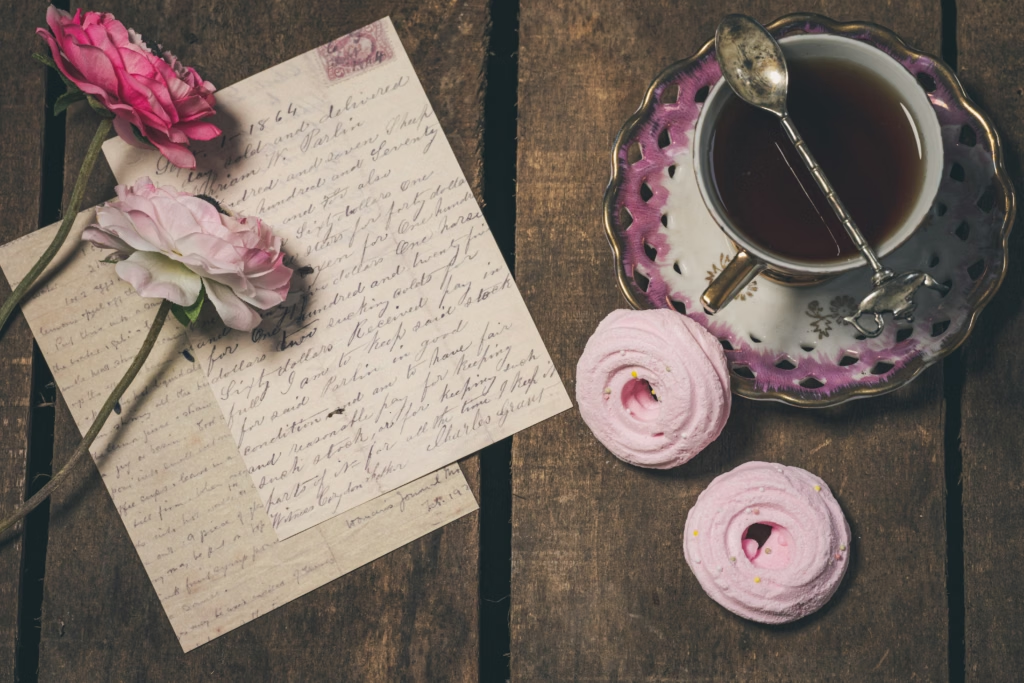
Next, the hall glints with the modest shine of spoons. Polished stainless steel, some warped at the edges, and some engraved with initials. They sit in drawers or shelves like relics of intimacy.
The placard reads:
“Stainless steel. Essential in stirring both tea and conversation.”
Spoons are simple. They do not slice with authority or pierce with drama. They cradle, stir, measure, and offer. Their gestures are small but profound. A spoon of sugar to sweeten tea for a guest, a spoon that cools soup for an impatient mouth with hunger, or a spoon that mixes spices into warmth.
Further in lies the most contemporary collection. The hall of chargers. Coiled neatly, some tangled but with universal plugs, and others already obsolete.
The placard reads:
“Essential lifelines. Amplifies communication and distraction.”
How fragile modern life becomes in their absence. Entire libraries of photos, conversations, and histories now rest inside glowing screens that would fall silent without these cords. In this hall, the chargers appear almost ceremonial by tethering us not just to electricity, but to each other.
The next room feels almost like paper rain. Receipts pinned delicately on walls, fragile and yellowing. One for a train ticket long expired, another for a bookstore purchase, and another for coffee at a café now replaced by something new.
The placard reads:
“Evidence of existence. The ink fades, but the memories don’t.”
On their own, they are trivial scraps. Together, they map the geography of our days. Every corner shop, every errand, every indulgence we justified.
At the far end, under warm light, awaits the hall of chipped mugs. Each one different, each one wounded. Some cracked along the handle, others chipped along the rim. They are not flawless, but all are deeply familiar.
The placard reads:
“An unremarkable shape, yet indispensable. A reminder that time can be sipped.”
Mugs are rarely bought with grandeur in mind. They arrive as gifts, souvenirs, or casual purchases. But over time, they become companions to our mornings and midnight silences. A chipped mug never loses its purpose.
To stand in this museum is to realise that the best objects are not the untouched ones, but the ones we used until they bore the marks of our presence.
By the end of the visit, it becomes clear that this museum was never about the objects alone. It was about the way we look at them. A pen is only plastic until you remember the words it carried. A spoon is only steel until you recall who it fed.
And perhaps that is the revelation. The sacred is not found in distance or in artifacts sealed away by centuries. It is here, on our desks, in our kitchens, and at the bottoms of our bags.
When you leave this museum and return home, nothing around you has changed. The chargers are still tangled. The chipped mug is still chipped. The receipts are still crumpled in your pocket. But now, they are also proof that you lived, you touched, and were touched in return.