
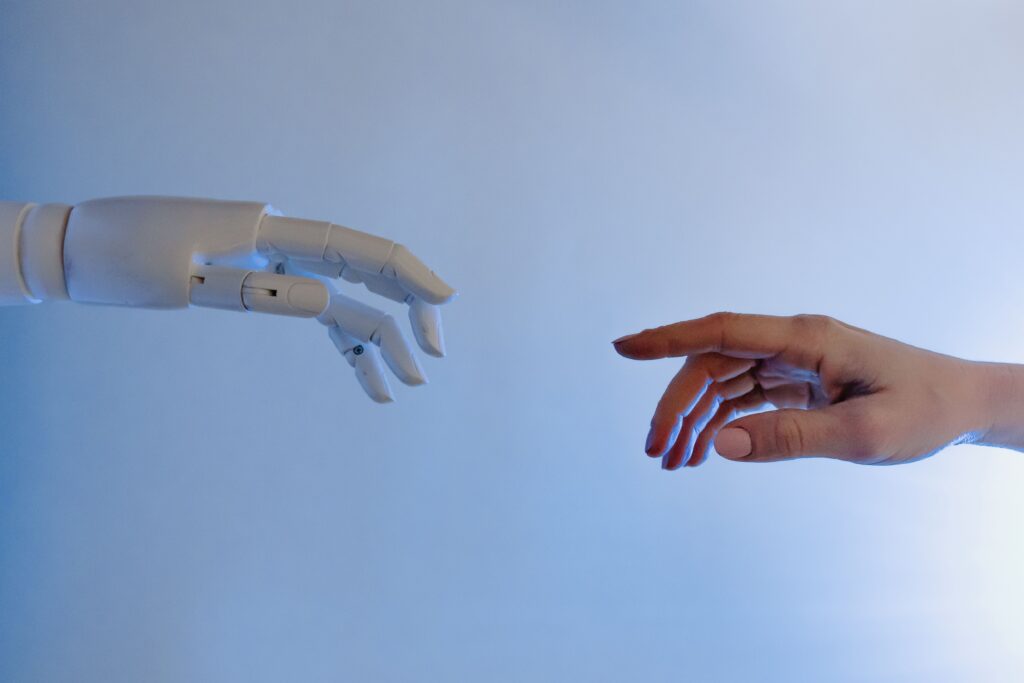
There was a time when having a good idea was only the beginning.
You had to write it. Design it. Build it. Shoot it. Edit it. Present it. Convince someone it was worth bringing to life. The gap between an idea and its execution could be wide, expensive and sometimes painfully slow.
Then came AI.
Today, AI writing can turn a rough thought into a blog, campaign copy or social media captions in minutes. AI creating tools can turn a written prompt into an illustration, video, presentation or concept visual. AI advertising can help generate multiple campaign variations, audience-specific messaging and creative directions at a speed that would have once required an entire team. And with AI generation becoming part of everyday workflows, the question is no longer simply, “Do you have a good idea?”
It is increasingly becoming, “What can you do with one?”
This changes the creative process in a big way.
Earlier, execution was a major barrier. You may have had a brilliant campaign idea, but lacked the design skills, budget, production team or time to bring it alive. Now, someone with a laptop, curiosity and a reasonably good prompt can create a first version of almost anything. And that is exciting.
AI has democratised execution.
It has given more people the ability to explore, experiment and express ideas without waiting for ten approvals or five different specialists. A writer can visualise a campaign. A designer can test multiple directions. A marketer can explore messaging variations. An entrepreneur can create a prototype before investing heavily in production.
But there is another side to this very convenient story.
When execution becomes easier, ideas become more visible. And when everyone can generate something quickly, simply generating something is no longer impressive.
That is where creative people may actually have an advantage.
AI can write, but does it know why a particular sentence will matter to a particular person at a particular moment? AI can create an image, but can it instinctively understand a cultural nuance, a lived experience or the emotional tension that makes an idea unforgettable? AI generation is incredibly efficient at producing possibilities. Human creativity is still essential in deciding which possibility is worth pursuing.
The real creative skill may now lie less in producing the first draft and more in making choices.
What should stay? What should go? What feels predictable? What feels true? What is strategically right for the brand? And perhaps most importantly, what makes someone stop, feel or act?
AI writing and AI creating can give us more output. AI advertising can give brands more versions of the same campaign. But more is not automatically better.
The danger is that speed can make us confuse completion with creativity.
Just because a campaign is generated in ten minutes does not mean it carries insight. Just because AI can produce 50 headlines does not mean any of them truly understand the brand.
So, is the future about ideas versus execution? Not really.
AI is shrinking the distance between the two. The better question is what happens when execution is no longer the biggest challenge.
Perhaps that is when ideas need to become deeper. Taste needs to become sharper. Strategy needs to become stronger. And creative people need to move beyond being the ones who make things to becoming the ones who know what is worth making.
Because in a world where almost anyone can generate, the real advantage may not be creating more.
It may be knowing what deserves to exist in the first place.